March 4, 2026
Regular maintenance of your HVAC system is essential for maintaining comfort, energy efficiency, and long-term reliability. Many homeowners don’t realize how much they depend on their heating and cooling system until something goes wrong. When performance begins to decline, small warning signs often appear before a complete breakdown occurs. Recognizing these early indicators can prevent unexpected discomfort and costly emergency service calls.
Neglecting minor issues can cause components to overwork, increasing wear and tear throughout the system. Over time, this strain can shorten equipment lifespan and reduce efficiency. What starts as a small inconvenience may quickly develop into a major mechanical issue requiring significant HVAC repairs. Being proactive allows you to address problems before they escalate into expensive replacements.
In this guide, we’ll explore the most common signs that your system needs immediate attention. By understanding what to look for and how to respond, you can protect your investment, lower energy costs, and maintain a comfortable indoor environment year-round.
1. Unusual Noises
A. Types of Noises
One of the clearest indicators that something is wrong is the presence of unusual sounds. HVAC systems are designed to operate relatively quietly. While a soft hum or normal airflow sound is expected, banging, grinding, squealing, or rattling noises are not. These sounds often signal loose components, worn-down bearings, or failing motors.
If ignored, these mechanical issues can worsen quickly. What begins as a minor vibration could lead to broken parts or system shutdown. Prompt attention can prevent larger damage and reduce the likelihood of major HVAC repairs later.
B. Common Causes
Banging or clanking may indicate loose fan blades or disconnected internal parts. Grinding sounds often point to worn-down motor bearings, while squealing could suggest belt problems or motor strain. Electrical buzzing may signal wiring issues or capacitor failure.
Each of these concerns requires professional evaluation. Attempting DIY fixes can sometimes cause further damage. Addressing noise problems early can reduce stress on the system and prevent escalating repair costs.
C. Immediate vs. Future Concerns
Some sounds demand urgent service. Grinding or metal-on-metal noises often indicate imminent component failure. In these cases, shutting down the unit and calling a technician is advisable. Other sounds, such as mild rattling, may allow for short-term operation but should still be evaluated promptly.
Understanding the difference helps homeowners prioritize service calls while avoiding unnecessary downtime.
D. Diagnostic Techniques
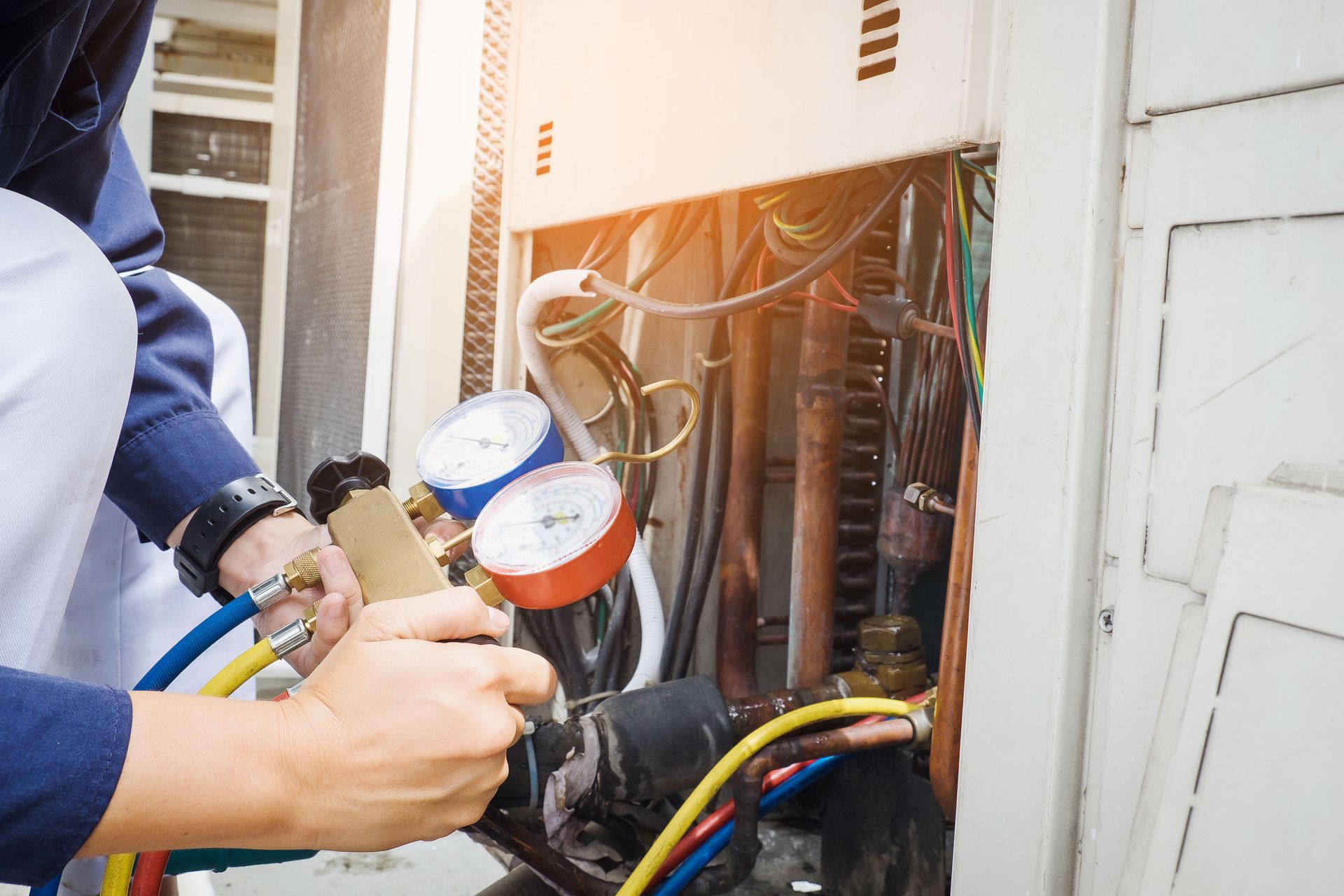
Professional technicians use systematic diagnostic methods to pinpoint noise sources. They inspect internal components, test electrical systems, and evaluate motor function. Advanced tools may measure vibration levels and system pressure.
Accurate diagnostics ensure the correct solution is applied, minimizing unnecessary part replacements.
E. Professional Assessment
Certified technicians can quickly determine whether the issue requires minor adjustments or immediate HVAC repairs. Their experience allows them to detect hidden problems that may not be obvious during a casual inspection. Early intervention can extend system lifespan and maintain safe operation.
2. Inconsistent Temperatures
A. Uneven Heating or Cooling
If certain rooms feel warmer or cooler than others, your system may not be distributing air properly. Temperature imbalance can result from duct leaks, thermostat malfunctions, or failing components.
Over time, uneven performance can strain the system as it works harder to reach set temperatures. Left unresolved, these conditions often result in avoidable HVAC repairs.
B. Thermostat Issues
A malfunctioning thermostat may send inaccurate signals to your system. Incorrect calibration, outdated models, or wiring problems can disrupt normal cycling. Recalibration or replacement often restores proper balance.
C. Ductwork Problems
Leaky or blocked ducts reduce airflow and cause uneven heating and cooling. Conditioned air may escape before reaching intended spaces. Sealing and insulating ductwork can significantly improve performance.
D. Energy Efficiency Impact
When temperatures fluctuate, systems run longer cycles. Increased runtime leads to higher utility bills and greater mechanical stress. Addressing inconsistencies quickly can improve efficiency and reduce long-term wear.
E. Corrective Measures
Solutions may include thermostat upgrades, duct sealing, zoning systems, or component replacement. Proactive maintenance prevents small inefficiencies from developing into larger HVAC repairs.
3. Increased Energy Bills
A. Sudden Spikes in Costs
A noticeable increase in energy bills without a change in usage patterns often signals declining efficiency. Systems losing performance require more power to maintain comfort.
Dirty filters, refrigerant leaks, or aging compressors may be responsible. Ignoring rising costs can lead to more extensive HVAC repairs over time.
B. Identifying Efficiency Issues
Regular inspections help uncover airflow restrictions, duct leaks, and failing components. Addressing these concerns improves system output and restores efficiency.
C. When to Call a Professional
If energy bills continue climbing after basic maintenance, professional diagnostics are recommended. Technicians can identify hidden inefficiencies that may require HVAC repairs to resolve.
D. Preventive Strategies
Annual maintenance visits, seasonal tune-ups, and filter changes reduce the likelihood of inefficiency. Preventive service protects your budget and equipment lifespan.
E. Long-Term Implications
Ignoring inefficiency accelerates system wear. According to HomeGuide, properly maintained systems may last 15–25 years. Delayed service often shortens that timeline.
4. Poor Airflow
A. Causes of Restricted Airflow
Clogged filters, blocked vents, and duct obstructions restrict airflow. When air cannot circulate freely, your system compensates by working harder.
B. Short-Term Effects
Reduced airflow causes uneven comfort and longer run cycles. Immediate attention can prevent deeper mechanical strain.
C. Long-Term Damage
Persistent restriction may overheat components and damage motors. This often results in significant HVAC repairs if left untreated.
D. Filter Maintenance
Replacing filters regularly is one of the simplest ways to maintain airflow. Clean filters improve indoor air quality and system performance.
E. Professional Solutions
Technicians may recommend duct cleaning, sealing, or fan adjustments. Addressing airflow problems early prevents unnecessary HVAC repairs down the line.
5. Frequent Cycling
A. Understanding Short Cycling
Frequent cycling occurs when the system turns on and off rapidly. This behavior increases component stress and reduces efficiency.
B. Thermostat Calibration
Incorrect thermostat placement or calibration can trigger unnecessary cycles. Adjustments often resolve the issue quickly.
C. System Sizing Issues
Oversized units cool too quickly, causing short cycles. Undersized systems run constantly. Both conditions may require professional evaluation.
D. Impact on Longevity
Continuous cycling accelerates wear on compressors and motors. Over time, this strain can result in expensive HVAC repairs.
E. Repair and Replacement
Corrective action may include recalibration, component replacement, or upgrading to a properly sized unit. Early service improves overall stability.
6. Unpleasant Odors
A. Mold and Mildew Smells
Musty odors often indicate moisture buildup within ductwork or coils. Mold growth can compromise indoor air quality.
B. Burning Smells
A burning odor may signal electrical problems or overheating components. Immediate shutdown and inspection are recommended.
C. Health Concerns
Contaminated airflow can aggravate allergies and respiratory issues. Clean systems support healthier indoor environments.
D. Cleaning and Maintenance
Routine coil cleaning and duct inspections help eliminate odor sources. Preventive care reduces contamination risks.
E. When to Seek Help
Persistent smells often require professional HVAC repairs to remove hidden buildup or damaged parts. Acting quickly protects both health and equipment.
Your HVAC system plays a critical role in maintaining year-round comfort. Recognizing warning signs such as unusual noises, inconsistent temperatures, rising energy bills, poor airflow, frequent cycling, and unpleasant odors allows you to act before small issues escalate.
Prompt maintenance and timely HVAC repairs not only improve efficiency but also extend system lifespan and reduce long-term expenses. By scheduling regular inspections and responding quickly to warning signs, homeowners can protect their investment and enjoy reliable indoor comfort for years to come. Contact Superior Heating and Cooling LLC today for more.