The Importance of Professional Diagnostics for Local AC Repairs
November 20, 2026

November 20, 2026

Air conditioning systems play an essential role in maintaining comfortable indoor environments, especially during extreme heat. When an AC unit experiences problems, identifying the underlying cause is important for restoring reliable performance and preventing additional damage. Professional diagnostics help technicians evaluate system conditions, locate faults, and recommend appropriate solutions. Investing in professional local AC repairs allows homeowners to address cooling problems while protecting their equipment and household budgets.


Understanding Common AC Problems

Modern air conditioning systems contain mechanical, electrical, and electronic components that work together to regulate indoor temperatures. Because these components depend on one another, a problem in one area can affect the entire system. Professional technicians understand how these systems operate and can identify problems that might otherwise go unnoticed.


Homeowners commonly experience issues such as inconsistent cooling, unusual noises, weak airflow, and unexpectedly high energy bills. These symptoms can indicate refrigerant leaks, failing electrical components, restricted airflow, or malfunctioning thermostats. Professional diagnostics help determine which issue is responsible rather than relying on assumptions.


Identifying the difference between symptoms and underlying problems is particularly important. For example, an AC unit that struggles to cool a room might have a refrigerant issue or a failing compressor. Professional local AC repairs focus on identifying the source of the malfunction so technicians can recommend effective solutions.


Understanding Professional Diagnostic Benefits

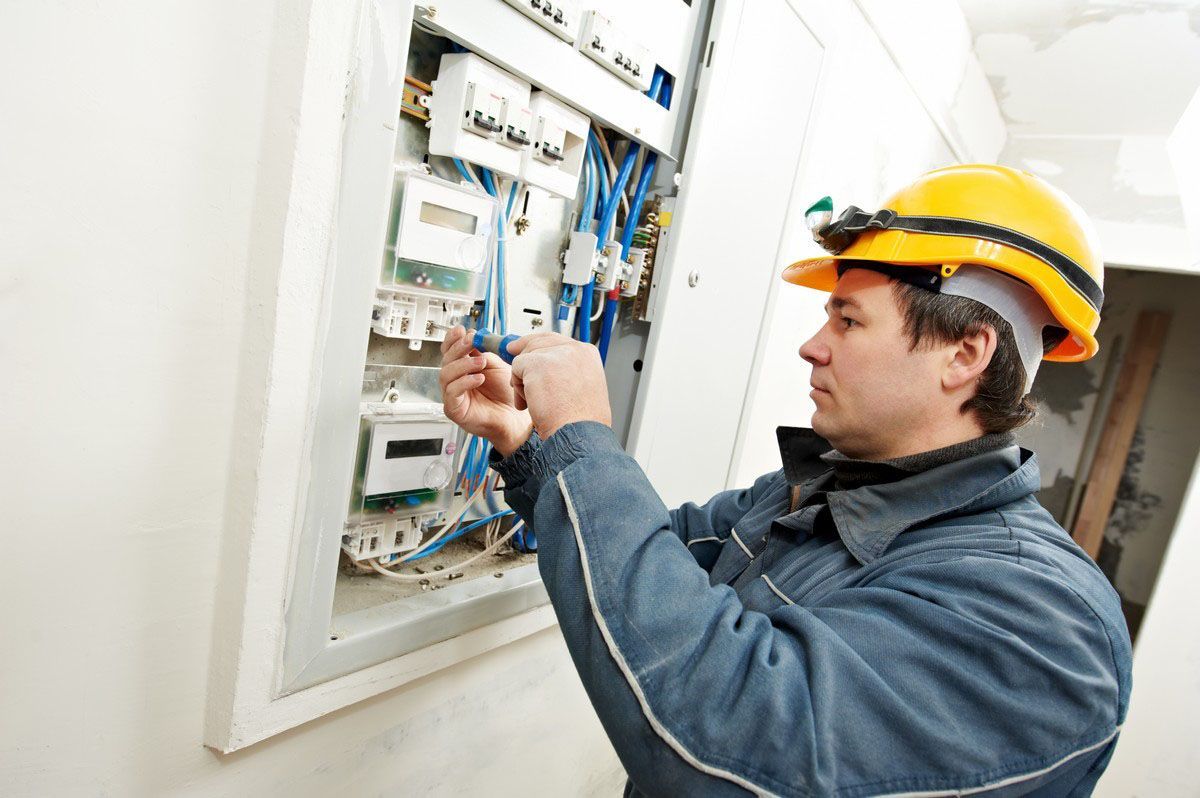
Professional diagnostics rely on specialized equipment and technical knowledge to evaluate air conditioning systems. Technicians use electrical testing equipment, refrigerant measurement tools, and other diagnostic technology to identify performance problems. These evaluations provide information that may not be apparent during a basic inspection.


Experience also plays an important role in accurate troubleshooting. Qualified HVAC technicians understand how different components interact and recognize warning signs associated with equipment failure. Their training allows them to evaluate complicated systems and determine which repairs are necessary.

Professional installation and service also influence overall system efficiency. According to ENERGY STAR, improper HVAC installation can reduce system efficiency by up to 30%. This demonstrates why qualified professionals are important when addressing equipment problems and ensuring reliable operation.


Another advantage of professional diagnostics is efficient troubleshooting. Technicians use their experience and specialized tools to narrow down potential causes and determine the appropriate repair strategy. Faster troubleshooting helps reduce equipment downtime and restores indoor comfort sooner. Homeowners seeking dependable local AC repairs benefit from this combination of accuracy and efficiency.


Reducing AC Repair Costs

Accurate diagnostics can prevent homeowners from spending money on unnecessary repairs. When technicians identify the actual source of a malfunction, they can focus on the components that need attention instead of replacing parts without sufficient evidence. This approach helps control labor expenses and reduces repeated service visits.


Addressing problems early can also produce long-term savings. Minor electrical faults, refrigerant issues, and failing components can place additional strain on other parts of an AC system. If these problems continue, they may eventually lead to more expensive repairs or premature equipment replacement.

Energy efficiency is another important financial consideration. An air conditioner that struggles with airflow, refrigerant levels, or electrical performance may consume more electricity while delivering less cooling. Professional local AC repairs can restore proper operation, helping reduce unnecessary energy consumption and monthly utility expenses.


Professional evaluations can also help homeowners determine whether repairing an existing system makes more financial sense than replacing it. Technicians consider equipment age, repair requirements, and overall operating condition. This information helps property owners make informed decisions about their cooling investments.


Improving AC Safety and Comfort

Air conditioning systems contain electrical connections and mechanical components that require careful handling. Electrical faults can damage equipment and create potential fire hazards if they remain unresolved. Professional technicians have the training and equipment needed to identify these concerns and recommend corrective measures.


Refrigerant problems also require professional attention. Leaks can affect cooling performance and create environmental concerns depending on the refrigerant involved. Qualified technicians can identify refrigerant-related issues and handle necessary repairs according to applicable safety requirements.


Indoor air quality is another consideration when evaluating AC performance. Malfunctioning equipment, inadequate airflow, and moisture problems can contribute to uncomfortable indoor conditions. Professional diagnostics help identify system-related issues that may affect temperature consistency and air circulation.

Reliable cooling is particularly important during periods of high outdoor temperatures. An improperly functioning AC system can make indoor spaces uncomfortable and potentially create health concerns for vulnerable occupants. Scheduling local AC repairs when performance problems first appear helps restore dependable cooling.


Extending AC System Lifespan

Regular professional evaluations can help extend the service life of an air conditioning system. Over time, components experience normal wear that can affect efficiency and reliability. Technicians can identify developing problems and recommend appropriate maintenance or repairs before they cause more extensive damage.


Preventive attention is generally more effective than waiting until equipment stops working completely. Small issues can gradually place additional stress on compressors, motors, and other essential components. Professional assessments help identify these concerns and reduce the likelihood of unexpected breakdowns.

System performance can also improve when underlying problems are corrected. Proper airflow, reliable electrical connections, and appropriate refrigerant levels all contribute to effective cooling. When these conditions are maintained, the system can operate more consistently and provide better indoor comfort.

Dependable local AC repairs also help homeowners prepare for periods of increased cooling demand. Air conditioning systems often work harder during the hottest months, making existing weaknesses more noticeable. Addressing performance concerns before extreme temperatures arrive can reduce the likelihood of equipment failures.


Selecting a Qualified AC Professional

Selecting an experienced HVAC company is an important part of maintaining an air conditioning system. Homeowners should look for technicians with appropriate training, industry credentials, and experience working with different types of cooling equipment. These qualifications provide greater confidence that repairs will be handled properly.


A reputable company should explain its findings, discuss recommended repairs, and provide information about expected costs before beginning significant work. Clear communication helps homeowners understand their options and make informed decisions.


Customer reviews can also provide useful information when comparing local HVAC companies. Feedback about punctuality, professionalism, repair quality, and communication can help homeowners evaluate potential service providers. Consistent positive experiences often indicate a company's commitment to dependable customer service.


Transparent pricing should also be considered. Detailed estimates help homeowners understand labor charges, replacement parts, and other expenses associated with a repair. Choosing a company that communicates clearly can prevent unexpected costs.


Local experience provides additional benefits because technicians familiar with the area may better understand regional cooling demands. Working with a dependable provider also makes arranging future local AC repairs easier when problems arise.


Recognizing When AC Repairs Are Needed

Recognizing when an air conditioning system needs professional attention can help prevent minor concerns from becoming major failures. Warm air coming from vents, inconsistent temperatures, frequent cycling, and unusual operating sounds are all reasons to schedule an evaluation. These symptoms can indicate problems that require specialized testing and repair.


Unexpected increases in energy bills may also signal declining system performance. When an AC unit uses more electricity without providing better cooling, an underlying mechanical or electrical issue could be responsible. Professional diagnostics help determine whether the equipment requires repairs.

Water accumulation near indoor equipment is another warning sign that should not be ignored. Drainage problems can affect system operation and potentially damage surrounding areas. A qualified technician can inspect the equipment, identify the source, and recommend an appropriate solution.


Scheduling service promptly is especially important when an AC system stops cooling during hot weather. Delaying attention can increase discomfort and allow existing equipment problems to worsen. Professional local AC repairs provide homeowners with a reliable way to restore cooling and protect their systems.


Maintaining Reliable AC Performance

Professional diagnostics are an important part of maintaining an efficient, dependable air conditioning system. By identifying underlying problems, qualified technicians can recommend targeted repairs that improve performance and help prevent recurring breakdowns. Accurate evaluations also support better energy efficiency, equipment longevity, and household safety.


Homeowners benefit from choosing experienced HVAC professionals who prioritize accurate troubleshooting and dependable service. Addressing warning signs promptly can reduce unnecessary expenses and help maintain comfortable indoor temperatures throughout the year.


When your air conditioner is not performing as expected, contact Superior Heating and Cooling LLC for professional assistance. Their team can identify cooling problems, evaluate system performance, and recommend appropriate solutions to restore comfort and reliability. Schedule an appointment with Superior Heating and Cooling LLC to keep your home's air conditioning system operating efficiently.

ac repair companies
November 19, 2026
Professional installation from heating and AC repair companies gives your system the strong foundation it needs to perform well for years.
November 11, 2026
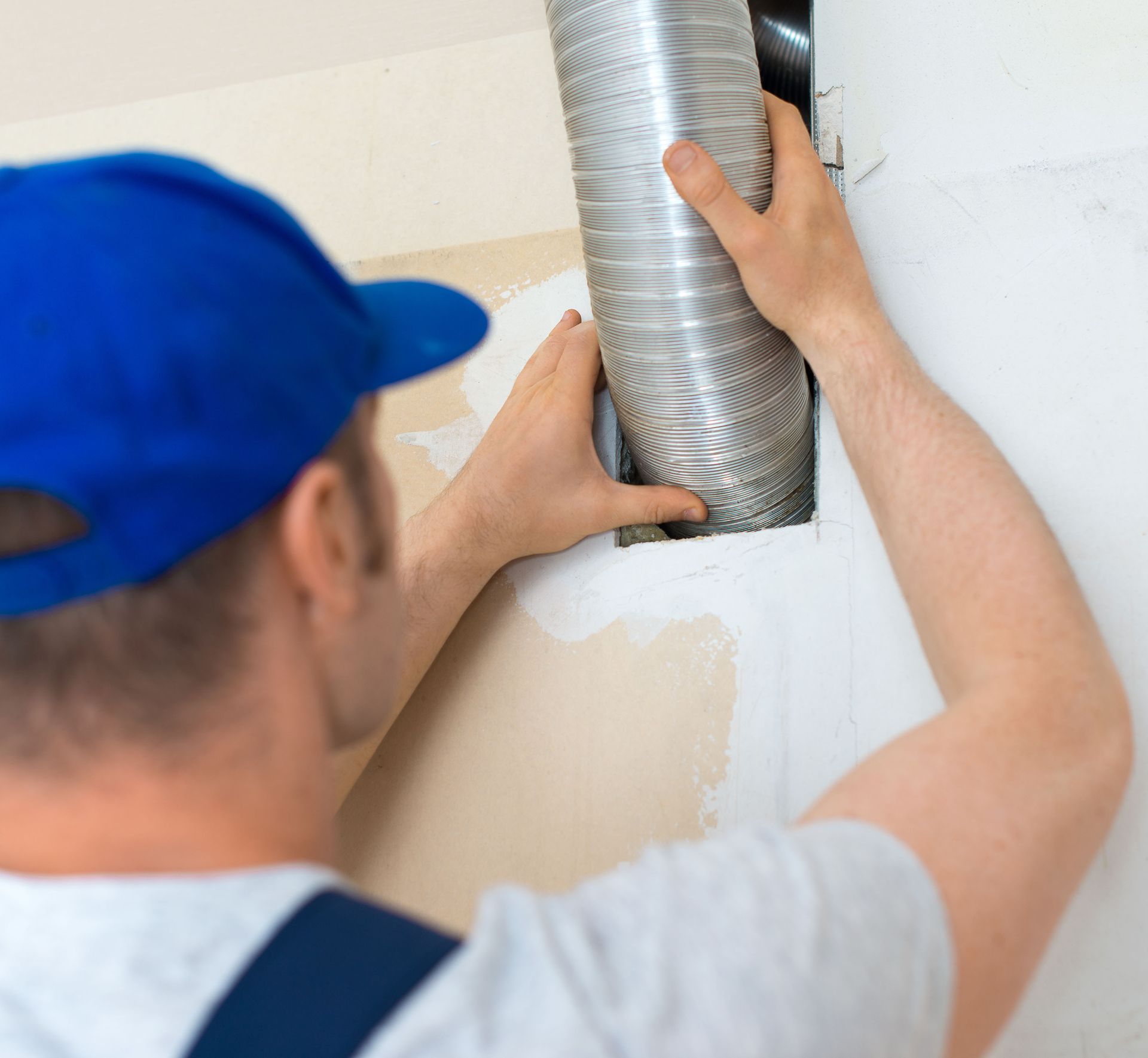
Your heating and cooling system plays an important role in maintaining comfortable indoor temperatures throughout the year. However, even a high-quality HVAC unit can struggle when the ductwork distributing conditioned air is damaged or poorly designed. Leaks, inadequate insulation, and airflow restrictions can contribute to higher utility bills, uneven temperatures, and equipment strain. At Superior Heating and Cooling LLC, we understand how important properly functioning ductwork is to your comfort. Our approach to local ac repair emphasizes identifying underlying performance problems rather than simply addressing symptoms. Understanding common ductwork issues can help property owners recognize when professional attention is necessary. Understanding How Ductwork Affects HVAC Performance How Ductwork Distributes Conditioned Air Ductwork carries heated or cooled air from your HVAC system into different rooms. Supply ducts deliver conditioned air, while return ducts transport indoor air back to the system for further heating or cooling. When these pathways function correctly, equipment can maintain consistent temperatures without unnecessary energy consumption. However, damaged connections, restricted passages, or poorly sized ducts can interfere with airflow. A properly designed duct system supports balanced air distribution. When problems develop, professional local ac repair can determine whether the issue involves ductwork, HVAC equipment, or both. How Duct Materials Influence Efficiency Residential and commercial duct systems commonly use galvanized steel, aluminum, fiberglass, and flexible materials. Each offers advantages depending on the building's layout and heating and cooling requirements. Rigid metal ducts provide durability, while flexible ductwork accommodates spaces where traditional materials may be difficult to install. Fiberglass insulation helps minimize temperature changes as conditioned air moves through the system. Regardless of material, proper installation and maintenance are essential. Poor connections, damaged insulation, and unsupported sections can reduce performance. How Duct Design Supports Balanced Airflow Duct size, configuration, and placement influence how effectively conditioned air reaches individual rooms. Undersized ducts may restrict airflow, while poorly positioned connections can contribute to uneven temperatures. Professional HVAC technicians evaluate these characteristics when identifying performance concerns. Appropriate design helps maintain comfortable conditions without placing unnecessary demands on equipment. Identifying Common Problems With HVAC Ductwork Recognizing Air Leaks and Disconnected Ducts Air leakage is one of the most significant problems affecting ductwork efficiency. Gaps around joints, deteriorating seals, and disconnected sections allow conditioned air to escape before reaching its destination. According to This Old House, AC ducts can lose as much as 30% of airflow through leaks. This substantial loss demonstrates why properly sealed ductwork matters for energy efficiency. Leaks may develop as materials age or connections loosen. When conditioned air escapes into attics, crawl spaces, or other unconditioned areas, the HVAC system may operate longer to maintain comfortable temperatures. Professional local ac repair can identify these problems through inspections and airflow testing. Recognizing Damaged or Inadequate Insulation Duct insulation maintains the temperature of conditioned air as it travels throughout a building. Without adequate protection, ducts passing through unconditioned spaces can absorb or lose heat. During summer, cooled air may become warmer before reaching occupied rooms. During winter, heated air may lose warmth along the same pathways. Damaged insulation can also contribute to condensation concerns. Professional evaluation determines whether repairs or upgrades would improve performance. Recognizing Blockages and Airflow Restrictions Dust accumulation, debris, damaged duct sections, and improperly installed materials can restrict airflow. These problems may cause certain rooms to receive less conditioned air. Restricted airflow can also interfere with normal HVAC operation. Depending on the severity and location, equipment may experience reduced efficiency or additional mechanical stress. Our local ac repair approach focuses on evaluating airflow restrictions and identifying appropriate professional solutions. Understanding How Ductwork Problems Increase Energy Waste How Air Leakage Raises Operating Costs When conditioned air escapes through damaged ductwork, HVAC equipment may operate longer to achieve the selected thermostat temperature. This additional operation increases electricity consumption and can contribute to higher utility expenses. The financial impact depends on system efficiency, climate, building insulation, and leakage severity. Addressing these problems improves conditioned air delivery and reduces unnecessary energy waste. However, savings vary according to each property. How Poor Insulation Reduces Efficiency Insufficient duct insulation allows unwanted heat transfer between conditioned air and surrounding spaces. This becomes especially noticeable when ductwork passes through hot attics or cold crawl spaces. Even when airflow remains adequate, temperature changes inside ducts can make heating and cooling less effective. Professional technicians evaluate insulation conditions and recommend improvements that support efficient air distribution. How Uneven Airflow Affects Equipment Uneven airflow creates temperature differences between rooms. Some spaces may remain uncomfortable even while the HVAC system continues operating. Property owners sometimes respond by repeatedly adjusting thermostat settings, increasing energy consumption without correcting the underlying problem. A comprehensive local ac repair assessment distinguishes ductwork deficiencies from equipment malfunctions, thermostat concerns, and other causes. Recognizing When Professional Ductwork Assessment Is Necessary Watching for Uneven Indoor Temperatures Persistent temperature differences between rooms can indicate problems with duct sizing, air distribution, insulation, or leakage. An upstairs bedroom may remain warmer than surrounding spaces despite continuous cooling. Although building design and sunlight exposure contribute, ductwork deficiencies may also be responsible. Our technicians assess system performance and identify factors affecting comfort throughout the property. Watching for Unexpected Energy Bills A noticeable increase in utility expenses without corresponding changes in usage may indicate declining HVAC efficiency. Potential causes include duct leakage, restricted airflow, aging components, or equipment problems. Because several issues produce similar symptoms, professional diagnosis is important. Scheduling local ac repair allows technicians to investigate potential causes before performance problems become more disruptive. Watching for Unusual Airflow or Noise Weak airflow from supply vents, unusual whistling sounds, or rattling near duct connections may indicate air distribution problems. These symptoms can result from loose connections, damaged duct sections, excessive air pressure, or mechanical concerns. Property owners should arrange professional inspections to determine appropriate corrective measures. Improving HVAC Efficiency Through Professional Services Sealing Damaged Duct Connections Professional duct sealing reduces conditioned air escaping through joints, seams, and damaged connections. Technicians use appropriate sealants, specialized materials, and diagnostic equipment to locate and address leakage. Proper methods depend on duct material, accessibility, and condition. At Superior Heating and Cooling LLC, we believe effective local ac repair begins with understanding the entire system. Correcting duct leakage supports reliable airflow and improves heating and cooling performance. Restoring Insulation and Airflow Insulation improvements reduce unwanted heat transfer, particularly in duct sections outside conditioned living areas. Professional services may involve correcting crushed flexible ducts, addressing disconnected sections, or evaluating airflow balance. These improvements should reflect the building's requirements rather than assumptions about which components need replacement. Evaluating Duct Design and System Compatibility Some performance problems originate from improperly sized or configured ductwork. In these situations, sealing leaks alone may not resolve comfort concerns. Technicians may need to evaluate duct dimensions, airflow requirements, and equipment compatibility. Professional recommendations include targeted repairs, adjustments, or design improvements supporting consistent temperatures. Protecting Long-Term Comfort and HVAC Reliability Supporting Lower Energy Consumption Efficient ductwork helps conditioned air reach occupied spaces with less unnecessary loss. This reduces the energy required to maintain comfortable temperatures. Although savings cannot be guaranteed, addressing significant duct deficiencies may provide long-term benefits. Supporting Consistent Indoor Comfort Proper air distribution reduces uncomfortable temperature differences and supports predictable heating and cooling performance. Sealed ductwork may also reduce dust and contaminants entering from unconditioned spaces, although indoor air quality depends on additional factors. Supporting Equipment Longevity Reducing airflow restrictions and unnecessary operating demands helps protect HVAC components from avoidable strain. Regular professional assessments identify developing concerns and support informed maintenance decisions. At Superior Heating and Cooling LLC, we are committed to helping customers maintain dependable heating and cooling systems. Whether you are experiencing uneven temperatures, rising utility bills, or weak airflow, our team can evaluate the problem and recommend appropriate solutions. If you suspect inefficient ductwork is affecting your comfort, contact Superior Heating and Cooling LLC to discuss professional local ac repair and schedule an HVAC system assessment.
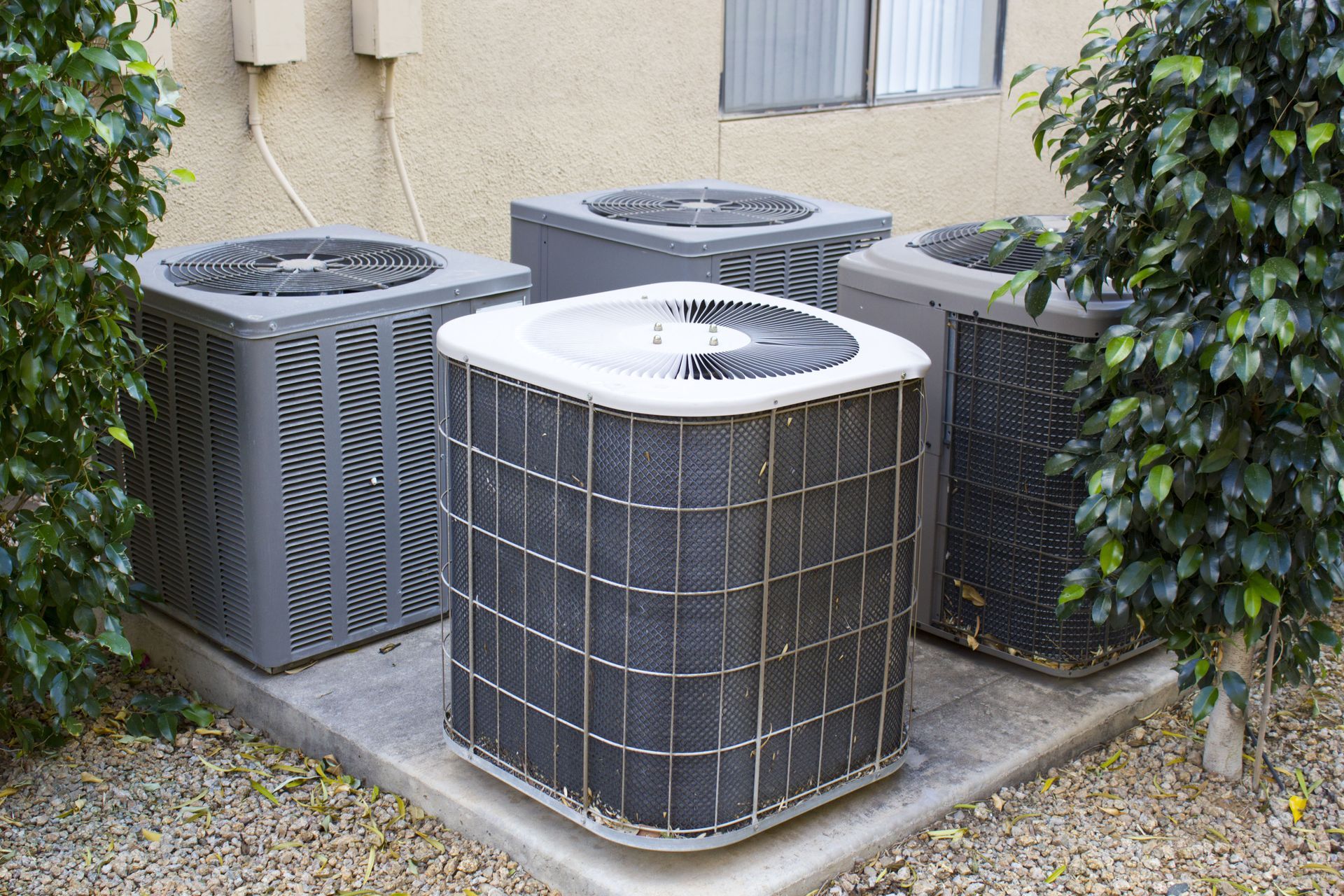
AC repair companies
November 7, 2026
Compare HVAC options, efficiency ratings, and installation costs with help from AC repair companies to improve comfort and long-term energy savings.
Show More →